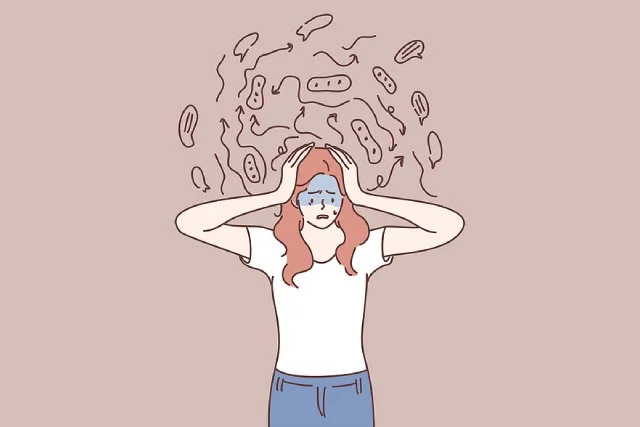
Imagine it is ten minutes before your final exam that you have studied weeks for. Your heart races, your breathing shallows, and your muscles tense up. Despite your best efforts to calm yourself down, the nervous energy won’t let you relax, making you feel out of control. Don’t be alarmed by this feeling. While it may be overwhelming, this familiar feeling is your body activating one of the most vital survival systems: stress. It is a natural response that helps prepare your body and mind to handle the challenge at hand. Understanding what exactly goes on physiologically can help you turn that pressure into success.
Stress can be defined as a state of worry or mental tension caused by exposure to a difficult situation. Typically beginning in the brain as anxiety, stress can quickly spread through the rest of the body in a series of chemical and physiological reactions. The symptoms of your heart racing, shallow breathing, and muscles tensing are all signs that your body is reallocating energy to respond to a difficult situation. All of these responses are your body’s way of communicating to get ready for the challenge that you have to face.

The nervous system can be broken down into the central nervous system (CNS) and peripheral nervous system (PNS). The CNS controls the brain and the spinal cord. On the other hand, when looking at stress we are looking at the PNS which contains the autonomic and somatic nervous systems. Stress has to do with the two divisions of the autonomic nervous system called the sympathetic and parasympathetic nervous system. These two systems, sympathetic (“fight-or-flight”) and parasympathetic (“rest-and-digest”) work like a seesaw, balancing each other in an inverse relationship: as one goes up, the other goes down. This balance helps your body shift states between high alert and calm recovery. The sympathetic nervous system is referred to as the “fight-or-flight” response because of its association with stress responses, such as increased heart rate and quick breathing. Once the stressor passes, the parasympathetic nervous system activates to help your body recover, slowing down your heart rate and bringing your body back to a state of homeostasis, or equilibrium.
The core piece of the stress response is the hypothalamus. Similar to a conductor directing each section of an orchestra to create the perfect harmony, the hypothalamus acts as your body’s command center, coordinating signals between organs and systems to maintain homeostasis. The hypothalamus connects the central nervous system to the endocrine system, which is the network of glands that controls the release of vital hormones into your bloodstream. So if the hypothalamus is the orchestra, the endocrine system is one section of the ensemble (like the percussion section), and within it individual hormones act as the individual musicians. When presented with a stressor, the hypothalamus activates the sympathetic nervous system, signaling the endocrine system to release adrenaline and cortisol. Adrenaline is like the cymbals of the orchestra, giving the alertness and rapid heart rate that jolts your body awake through the immediate burst of energy release. On the other hand, cortisol is the steady drumbeat, working slowly to maintain high energy levels through the increase of blood glucose levels to meet your body’s continuously high demands. The role of cortisol is beneficial to maintaining focus during stressors that last for longer durations. Both adrenaline and cortisol are essential pieces of the physiological and physical stress reactions.
Not all stress looks the same. Stress can affect different bodies in different ways: from acute stress reactions, which arise in temporarily stressful situations, to chronic stress, where the body cannot return to a normal state once the apparent danger leaves. Acute stress acts as a fire alarm that turns on when there is an immediate threat and turns off once the threat leaves. Similar to how a phone switches to low-power mode to conserve energy, acute stress causes our body to reallocate resources to the systems currently in need. This type of stress can bring positive effects such as improved focus, reaction time, attention span, and problem-solving abilities. Once the perceived threat has passed, the sympathetic nervous system turns off – muscles relax, heart rate slows down, hormones return to normal levels. On the other hand, chronic stress is when the alarm system doesn’t shut off. Chronic, or prolonged, stress is a constant feeling of being pressured and overwhelmed for a long period of time. While this type of stress acts on your body, the fight-or-flight response stays turned on, meaning the feelings of your heart racing, jitteriness, and shortness of breath remain. Usually, cortisol levels will return to normal once a stressful event is over since large amounts of energy are no longer necessary to sustain the body.
However, chronic stress keeps stress hormones elevated for long periods of time, eventually affecting both physical and mental health in negative ways.
Additionally, stress can be categorized as eustress or distress. Eustress, the type of stress that is responsible for your motivation and drive to perform your best, may be the mixture of nervousness and excitement that you get before going on a roller coaster. Distress, in contrast, is the overwhelming, exhausting form of stress that leaves you feeling out of control. Understanding the difference between these types of stress can help you navigate through your own stress and recognize that not all stress is harmful. Eustress, in particular, can be a valuable asset that helps you grow and develop to achieve your goals.
Stressors can be defined as the conditions or events that trigger a stress response. These conditions can take many different forms, from physical stressors, such as illnesses, to psychological, such as moving to a new city or starting a new job. Genetics can also play a role in increasing the severity of chronic stress.
The effects of stress can take a toll on your body beyond just an immediate physical response. If unmanaged, chronic stress can contribute to negative health side-effects such as anxiety, depression, high blood pressure, insomnia, and decreased memory and concentration. By now, you’ve learned that stress can raise your heart rate, flood your hormones through your body, and even act like an ecstatic cymbal player in your body’s orchestra. Reading all of this might actually be stressing you out even more. But don’t worry, the good news is that there are plenty of ways to handle stress and avoid those long-term effects.
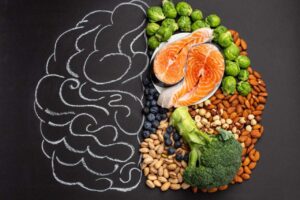
Some strategies that have proven to be successful in reducing stress levels are exercising regularly, adequate rest, maintaining a healthy diet, and self-care. Exercise is one of the most effective ways to relieve stress because it helps burn off excess stress hormones like cortisol and helps to trigger the release of endorphins, known as the “feel-good” chemicals. The best part is it doesn’t require a gym membership or expensive equipment. Something as simple as following a 20 minute Youtube video at home, going on a paced jog around your block, or an at-home yoga routine can make a huge difference in stress levels. Diet is another key way to manage stress. Foods rich in vitamins, minerals, and antioxidants help support brain function and regulate hormones. Avoiding excessive sugar, caffeine, or highly processed foods can prevent energy crashes that may elevate symptoms of stress. Simple swaps can make a big difference. Try snacking on nuts or fruit instead of candy or chips, and choose water instead of soda. Small, consistent changes in what you eat can stabilize mood, improve energy levels, and support your body in effectively handling stress. Following these guidelines can reset your body’s stress response, helping muscles relax, improving sleep, and boosting your overall mood and quality of life. Through understanding the mechanism behind stress, you can find the daily practices that best reduce your stress levels.
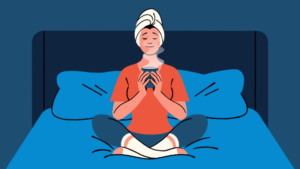
Sleep plays a vital role in the development and persistence of stress, yet is constantly overlooked or underestimated. Entering that parasympathetic nervous system state of “rest-and-digest” through getting adequate rest allows your body to recover, regulate hormones, and restore that homeostasis. Similar to diet, small improvements such as sticking to a regular sleep schedule or reducing screen time before bed can make all the difference in energy, focus, and overall quality of life. Giving your body time to rest and pairing it with self-care can minimize the effects of the negative stress. Meditation, deep breathing exercises, and short breaks during the day are simple tasks that can ground you when you’re feeling overwhelmed.
Stress is a normal part of life, but understanding what’s happening inside of our bodies gives us the power to respond rather than react. Next time your heart races and your breath shortens, remember your body is experiencing a natural reaction. Stress is not something to eliminate from your life, it is something to understand and manage so we can face challenges with clarity. Next time you feel your stomach drop, take a deep breath and remember that you are in control, not your stress.
Sources:
https://www.who.int/news-room/questions-and-answers/item/stress.
https://my.clevelandclinic.org/health/diseases/11874-stress.
https://www.ncbi.nlm.nih.gov/books/NBK539845/.
thttps://www.health.harvard.edu/staying-healthy/understanding-the-stress-response.
https://my.clevelandclinic.org/health/body/21201-endocrine-system.
https://www.ncbi.nlm.nih.gov/books/NBK541120/.
https://www.apa.org/topics/stress/body.
https://www.mayoclinic.org/healthy-lifestyle/stress-management/in-depth/stress/art-20046037.
https://www.apa.org/ed/precollege/topss/lessons/activities/critical-thinking-exercise-distress-eustress.pdf.
https://dictionary.apa.org/stressor.
https://pmc.ncbi.nlm.nih.gov/articles/PMC2886910/.
https://www.mentalhealth.org.uk/explore-mental-health/publications/how-manage-and-reduce-stress.
https://pmc.ncbi.nlm.nih.gov/articles/PMC7468813/.
https://www.apa.org/news/press/releases/stress/2013/sleep.